Managed farmland vs. plots vs. apartments: ROI, holding horizon, and liquidity
Choosing between managed farmland, residential/commercial plots, and apartments is one of the most consequential decisions in real estate. Each asset class behaves differently when it comes to return on investment (ROI), ideal holding period, ongoing maintenance, and how quickly you can exit when cash is needed.
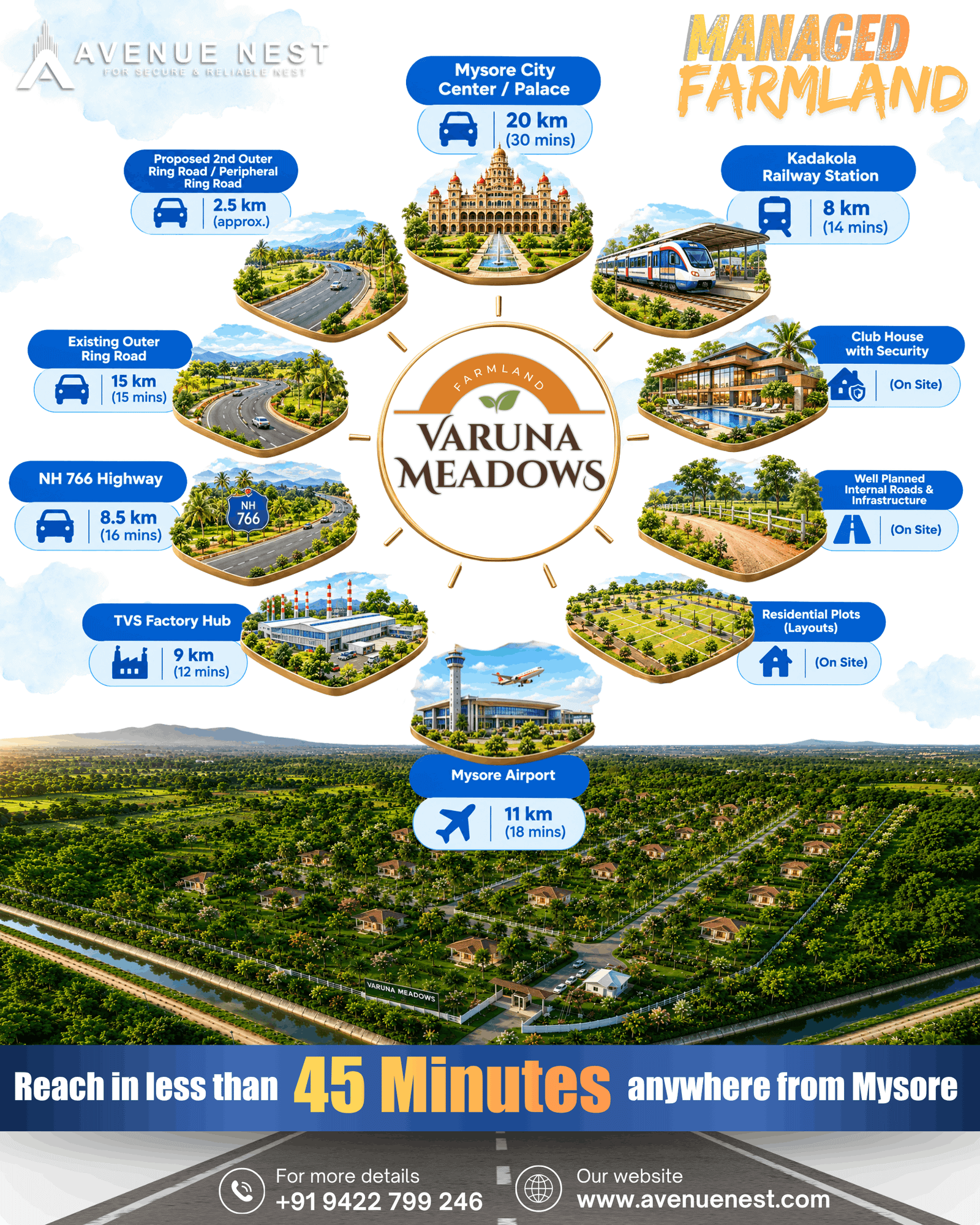
1. Managed Farmland: Lifestyle Meets Long-Term Land Play
Managed farmland appeals to buyers looking for greenery, weekend retreats, and long-horizon land exposure without personally tending crops or hiring farm staff.
ROI & Cash Flow: Returns are heavily weighted toward land appreciation rather than high cash yield. While operators may cultivate timber, fruit orchards, or agro-forestry, net farm income is often modest or seasonal after management and maintenance charges.
Holding Horizon: Best treated as a 7 to 12+ year commitment. Trees take years to mature, and peripheral rural pockets need time for road connectivity and surrounding development to compound value.
Liquidity: Low. Resale usually targets niche buyers such as urban professionals seeking weekend getaways or other investors so exiting quickly without a discount can be difficult.
Key Watchouts: Check land eligibility and zoning laws in your state, verify clear title and boundary demarcation, and review the operator’s maintenance contract and exit/resale terms carefully.
2. Plotted Developments: High Appreciation Headroom with Moderate Patience
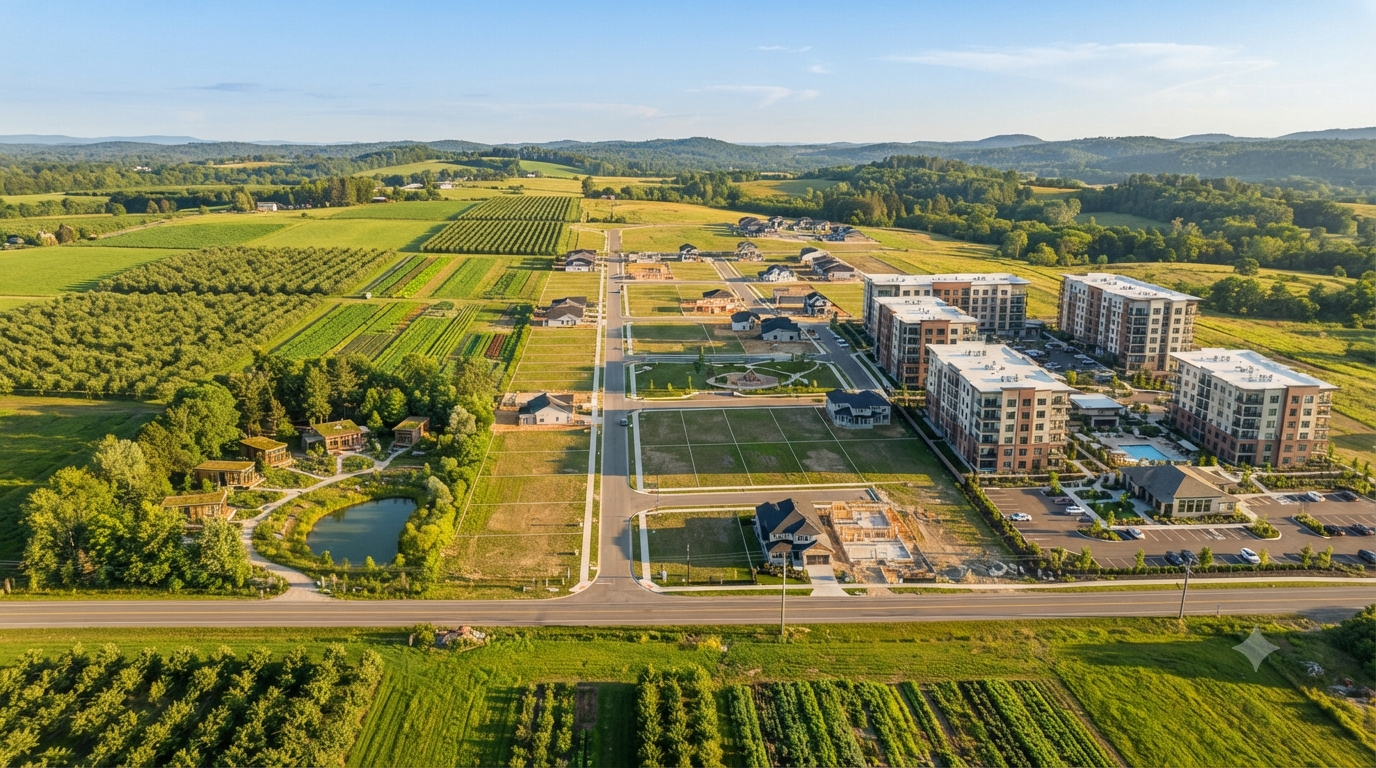
Approved plots—whether inside gated townships or emerging growth corridors sit in the middle ground between raw land and built-up housing.
ROI & Cash Flow: Plots generate zero rental income while vacant, so total return relies on capital appreciation as nearby infrastructure, schools, workplaces, and commercial hubs expand. Because the building structure does not depreciate, well-located land can deliver strong compounding gains.
Holding Horizon: Typically 5 to 10 years, giving surrounding micro-markets enough runway to mature from early-stage growth to active residential demand.
Liquidity: Moderate. Clear-title plots with layout sanctions and good road access attract both end-users planning to build homes and investors, making them more liquid than farmland though still slower to sell than a ready apartment.
Key Watchouts: Confirm statutory layout approvals, non-agricultural/land-use compliance where applicable, road width, utility provision, and encumbrance-free ownership before paying booking amounts.
3. Apartments: Immediate Utility, Rental Yield, and Easier Exit
Apartments trade explosive land-led upside for convenience, faster occupancy, and predictable cash flow.
ROI & Cash Flow: Offers rental income relatively soon after handover, helping offset holding costs or loan EMIs. However, capital appreciation is often more measured over time because the building structure ages and maintenance costs rise as the property gets older.
Holding Horizon: Flexible works for 3 to 5 years for mid-term wealth/rental goals or 7+ years for primary living and long-term stability.
Liquidity: High. Standardized unit sizes, ready-to-move inventory, and deep rental and resale pools in active neighborhoods generally make apartments faster to lease or liquidate.
Key Watchouts: Factor in monthly society/HOA fees, sinking funds, building age, rental vacancy cycles, and buyer competition within the same complex when reselling.
How to Choose the Right Fit
Choose managed farmland if you have a long horizon, don’t need near-term cash flow, value nature/getaway utility, and can verify legal compliance and operator reliability.
Choose plots if you want strong land-driven appreciation potential over 5–10 years, don’t mind holding vacant land without rent, and prioritize clear approvals and growth-corridor location.
Choose an apartment if you want immediate rental income or self-use, prefer lower maintenance hassle, and value higher liquidity.